
Safed Musli Explained: Traditional Uses in Ayurvedic Men's Wellness

If you have looked at Ayurvedic men's wellness products, you have probably seen Safed Musli on the ingredient list. It is one of the most talked-about herbs in this category, but it is also one of the most misunderstood. This guide explains what it is, how Ayurveda has traditionally used it, what science says so far, and what to keep in mind before using it.
What Is Safed Musli?
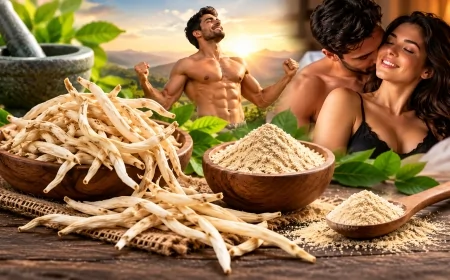
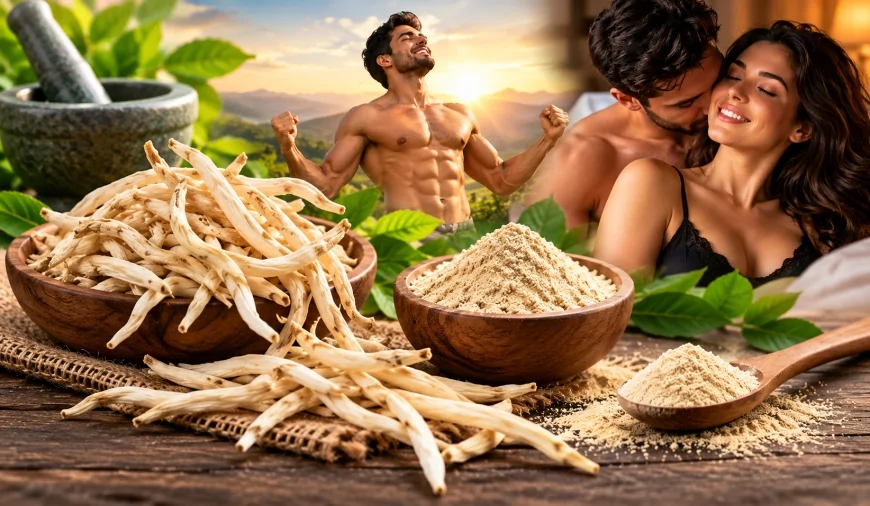
Safed Musli (botanical name Chlorophytum borivilianum) is a herb native to the forests of India. The part used in Ayurveda is the tuberous root, which is white when fresh (the name literally means "white musli"). The roots are harvested, peeled, dried and powdered for use in herbal formulations.
Because wild populations have been heavily harvested over the years, Safed Musli is now widely cultivated in states such as Madhya Pradesh, Gujarat, Maharashtra and Chhattisgarh. If you buy a product containing it, it is reasonable to ask the brand about its sourcing.
Safed Musli in Ayurveda
In classical Ayurvedic thinking, Safed Musli is considered a rasayana (a rejuvenating herb for general vitality) and is described in the tradition of vajikarana, the branch of Ayurveda concerned with reproductive and sexual wellness. Traditional texts and folk practice describe it as:
- A herb used to support overall strength and stamina
- A common ingredient in men's wellness and tonic formulations
- Often combined with other herbs such as Ashwagandha, Shilajit, Gokshura and Kaunch Beej
It is also used in traditional postnatal tonics for women in some regions, which shows it was seen as a general nourishing herb rather than only a men's herb.
What Does It Contain?
Laboratory analysis of Safed Musli roots has identified compounds such as:
- Saponins, plant compounds that are the focus of much of the research
- Polysaccharides, which are complex carbohydrates
- Small amounts of proteins, fibre and minerals
Researchers study these compounds to understand why the herb has been valued traditionally. Having these compounds does not by itself prove a health benefit in people.
What Does the Research Say?
Honest answer: the evidence is still limited. Most published studies on Safed Musli have been laboratory or animal studies, and good-quality human trials are few. That means:
- Traditional use is long-standing, but traditional use is not clinical proof.
- No herbal supplement should be treated as a medicine or a cure.
- Results from animal studies cannot be assumed to apply to humans.
This is true of many traditional herbs, and it is a reason to keep expectations realistic.
How Is It Usually Taken?
Traditionally, Safed Musli powder has been taken with warm milk. Today it is also available in capsules, tablets and multi-herb blends. Doses vary widely between products, so the safest approach is to follow the label of the specific product and never exceed the stated amount.
Safety and Precautions
Safed Musli is generally regarded as well tolerated at traditional amounts, but that does not mean it suits everyone. Keep these points in mind:
- Talk to a doctor first if you take regular medication, especially for blood pressure, diabetes or heart conditions, or if you have kidney or liver problems.
- Some people may experience mild digestive discomfort with herbal powders.
- Stop use and seek advice if you notice any unusual reaction.
- Herbal products are for adults only. Keep them away from children.
- Buy only from brands that clearly display the manufacturer name, ingredient list and drug license details.
Safed Musli in Play More African Herbs
Safed Musli is one of the 25 traditional ingredients in the Play More African Herbs formula by CureFuture Health Care Pvt. Ltd., alongside herbs such as Ashwagandha, Shilajit, Tribulus (Gokshura), Kaunch Beej and Shatavari. The product is meant for adult men as part of a daily wellness routine, with ingredient quantities declared on the label. As with any herbal product, individual experience varies.
The Bigger Picture
No single herb can replace the basics of men's health. Good sleep, balanced food, regular exercise, stress management and routine health checkups matter far more than any supplement. If you have ongoing concerns about stamina, energy or sexual health, please see a doctor, because these can have medical causes that herbs cannot address.
Key Takeaways
- Safed Musli is a traditional Indian root herb used in Ayurveda as a rasayana.
- It is a common ingredient in men's wellness formulations.
- Scientific evidence in humans is still limited, so avoid products that promise guaranteed results.
- Check with your doctor before use, especially if you take other medicines.
- Choose transparent, licensed brands.
Disclaimer: This article is for educational purposes only. Herbal supplements are not intended to diagnose, treat, cure or prevent any disease and are not a substitute for professional medical advice. Individual results may vary. Please consult a qualified healthcare professional before use.